What Do You Wear on the Other Side?

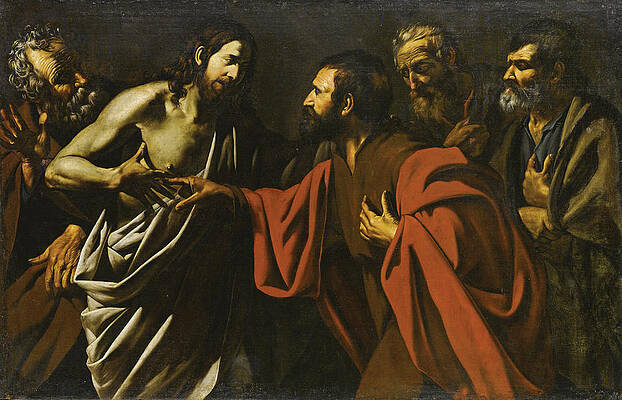
Daily Devotional: April 7, 2026
Year A — Easter Season
Scripture Readings
- Psalm 118:1-2, 14-24 — "This is the day the Lord has made."
- Exodus 15:1-18 — The Song of Moses and the victory at the sea.
- Colossians 3:12-17 — "Clothe yourselves with compassion, kindness, humility, meekness, and patience."
Reflection: What Do You Wear on the Other Side?
In the Exodus narrative, a profound detail often follows the dramatic parting of the Red Sea. After witnessing the collapse of the terrifying imperial apparatus that had enslaved them, the Israelites find themselves on the far bank. They are safe, yet likely stunned. In this moment of deliverance, Moses leads the people in a magnificent poem: "I will sing to the LORD, for he has triumphed gloriously." This is the "long version" of the celebration—a moment to take a breath and truly observe the magnitude of what has occurred.
The transition from the sea to the shore raises a vital question: now what?
In the reading from Colossians, Paul addresses this transition by using the metaphor of a wardrobe. He writes, "As God’s chosen ones, holy and beloved, clothe yourselves with compassion, kindness, humility, meekness, and patience." This language is deliberate. Getting dressed is a conscious, daily ritual. Most of us reach for what is familiar; perhaps a favorite sweater, but also perhaps an emotional "wardrobe" of cynicism, defensiveness, or old identities that tell us we are unworthy.
Paul suggests that because we have "crossed over" through the resurrection, the old garments no longer fit. The resurrection of Christ is not merely a historical event or a future hope; it is a reality that redeems the day. It impacts the commute, the difficult conversation, and the mundane tasks of daily life.
Psalm 118 reinforces this: "This is the day the LORD has made." Not the day we finally have everything figured out, but this ordinary day. The practice of faith is the daily act of choosing a new wardrobe. We are called to "put on" the virtues of Christ. Not as a to-do list, but as the visible manifestation of a resurrection life worn on a human body.
Liberation is not just a moment of escape; it is a crossing that leads to a new way of being. As you go about your day, consider what you are reaching for as you prepare to face the world.
Questions for Reflection
- The Habitual Wardrobe: What is one "old garment"—a default attitude or habitual response—that you find yourself putting on without thinking?
- The New Self: Of the virtues Paul lists (compassion, kindness, humility, meekness, and patience), which feels most available to you today? Which feels the most challenging to "wear"?
- Peace as an Arbiter: Paul writes, "Let the peace of Christ rule in your hearts." In which of your current relationships does this peace most need to manifest today?
- Community Song: The Song of Moses was sung by the whole community. Who is part of your "community of deliverance"? Who knows your story of crossing from death to life?
Closing Prayer
Lord of the crossing and the song,
You have led us through waters we did not think we could survive.
And here we are, on the other side, amazed by Your grace.
Help us to dress like people who know what You have done.
When we reach for cynicism, give us compassion.
When we reach for defensiveness, give us meekness.
When we reach for old resentments, remind us that You have forgiven us more than we will ever be asked to forgive.
Let the peace of Christ settle in us today like an anchor.
And when we open our mouths, let our first words be of thanksgiving,
because Your steadfast love endures forever.
Amen.
Associated Art
"The Incredulity of Thomas" by Duccio di Buoninsegna (1308-1311).
Source: Art in the Christian Tradition collection, Vanderbilt Divinity Library.

-
Trinity Parish Presbyterian Church